Should You Write Your Reverse Obituary?
Morgan Housel's concept of a Reverse Obituary is a simple but powerful one. Write the obituary you would like written about you, then live a life that generates those words.
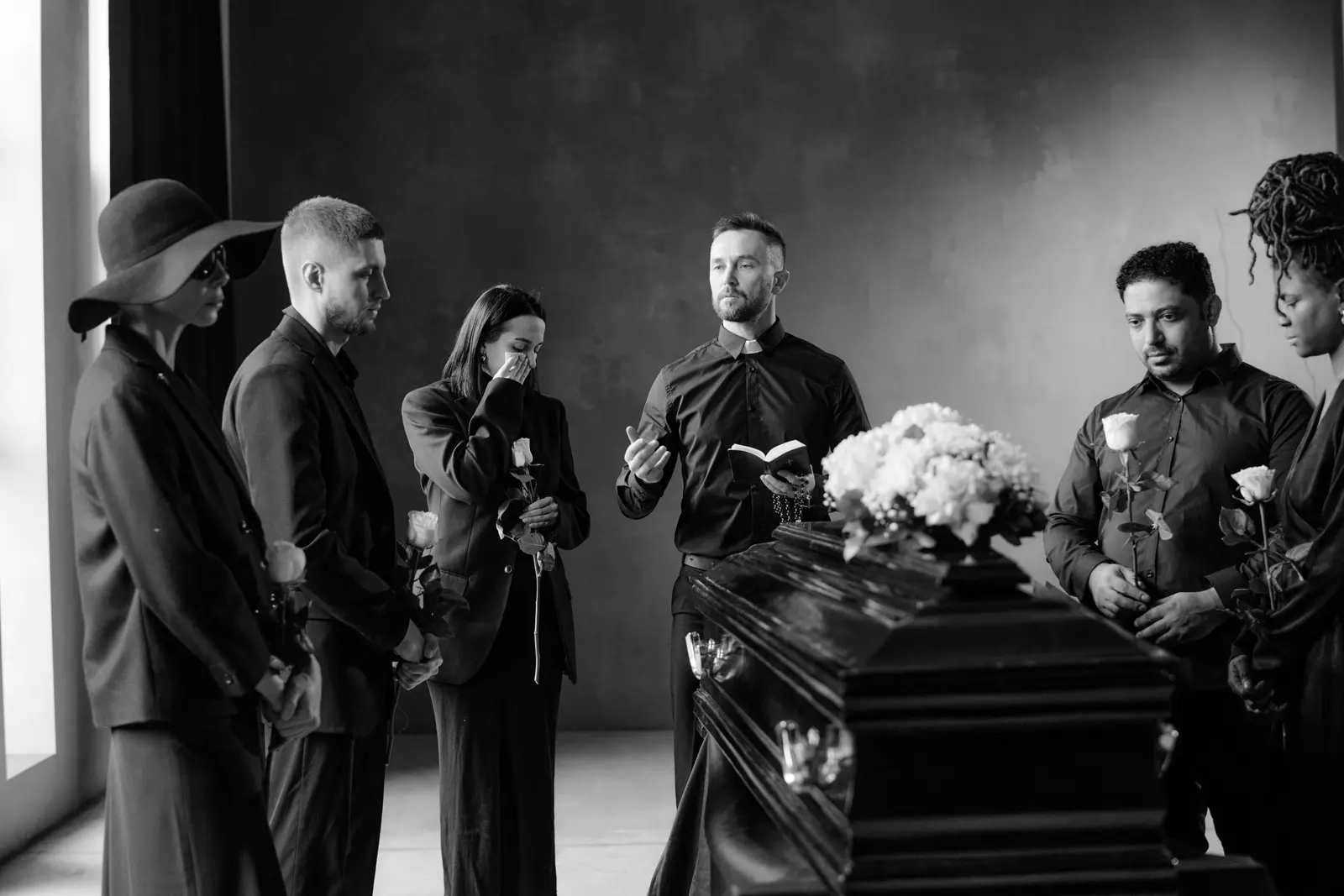
When my father died (earlier and then faster than expected), I really struggled with what to say at his funeral. I didn't take my chance to talk to him about many things when he was still here. He was the kind of man who lived through his work, both paid and latterly charitable. In the end all I could think to talk about, was how his way of communicating whether he loved you or not was through the work he would do for you. He was a thinker, not a talker and his actions were where you had to look for his meaning.
Morgan Housel's latest (and as always brilliant) book, The Art of Spending Money talks about your Reverse Obituary.
The concept is a simple but powerful one.
If you care what people think about you, write the obituary that you would like to be written about you once you are gone.
Reflect on what you would want to be said about you.
For most of us we want people to say that we were kind, funny, that we were a good friend, partner and parent. Most of us wouldn't write our obituary about our success at work, the hours worked, academic achievements etc.
Why then do we spend more time, effort and money on work and less on these other aspects of who we are.
If that is what you want people to say about you when you are gone, then reverse the process. Write the obituary and live a life that would generate the words that you want said about you.
None of us knows how long we have on this planet but we do know that it isn't long enough. Day to day life is also hard to plan and so any mental framework that we can use to keep us on track is useful.
Living to your future obituary is a great one.
We are advising hundreds of Standard Life staff about the legacy they are building and will leave. We do this from our office in Hook, Hampshire and throughout the UK using the latest technology.